Consultant, creative systems architect and speaker helping teams, creators, and organizations move from chaos to clarity — and from clarity to growth.
I design the structures that make creativity repeatable, scalable, and profitable.
Not a service menu — these are operations I architect, own, and answer for. Real systems, running in real time, built to demonstrate what independent infrastructure can actually do.
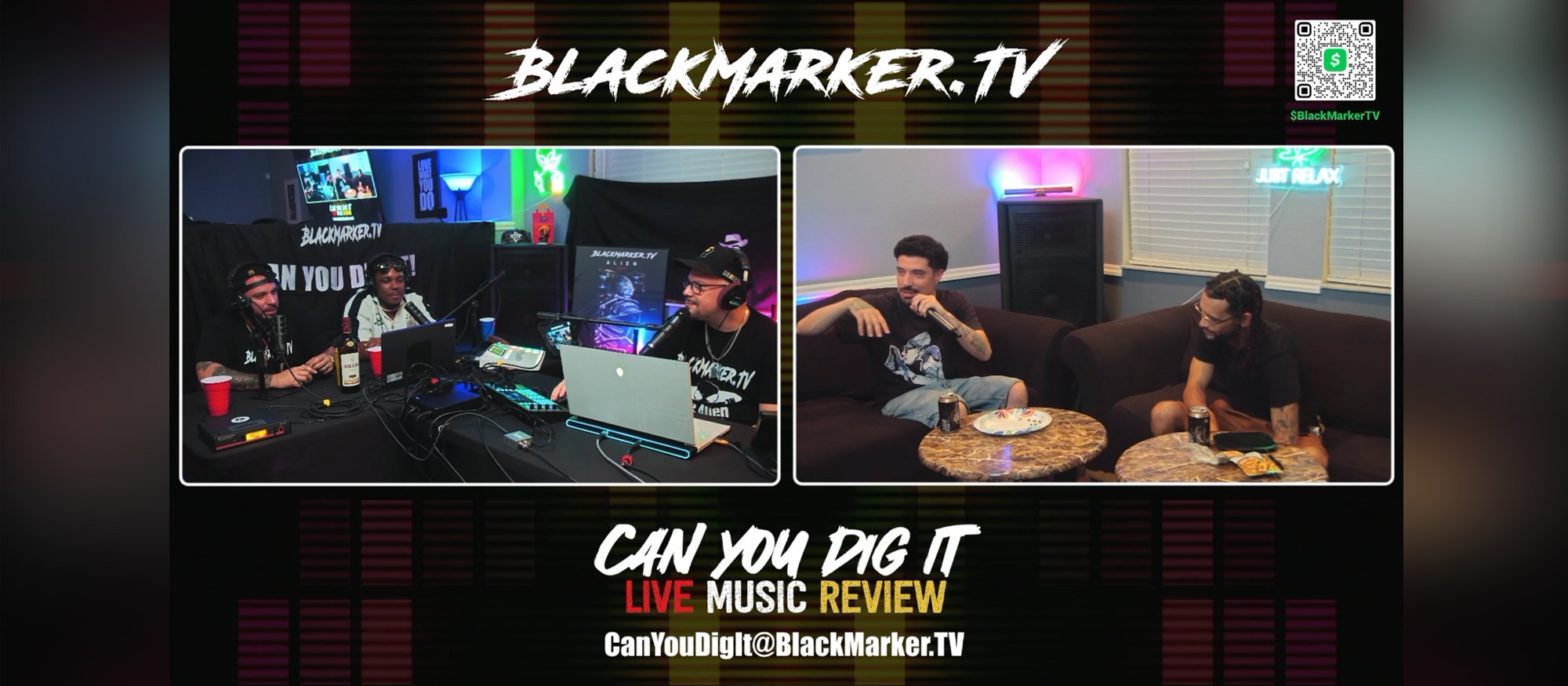
A continuously programmed streaming network — music, talk, comedy, performance, and live events — running on a 24/7 loop built on infrastructure we own end‑to‑end. Free tier, subscriptions, and pay‑per‑view under one roof, powered by systems designed for scale.
It exists to prove a point: an independent operator can build, program, and run a real network without renting platforms or surrendering audience relationships.
blackmarker.tv →
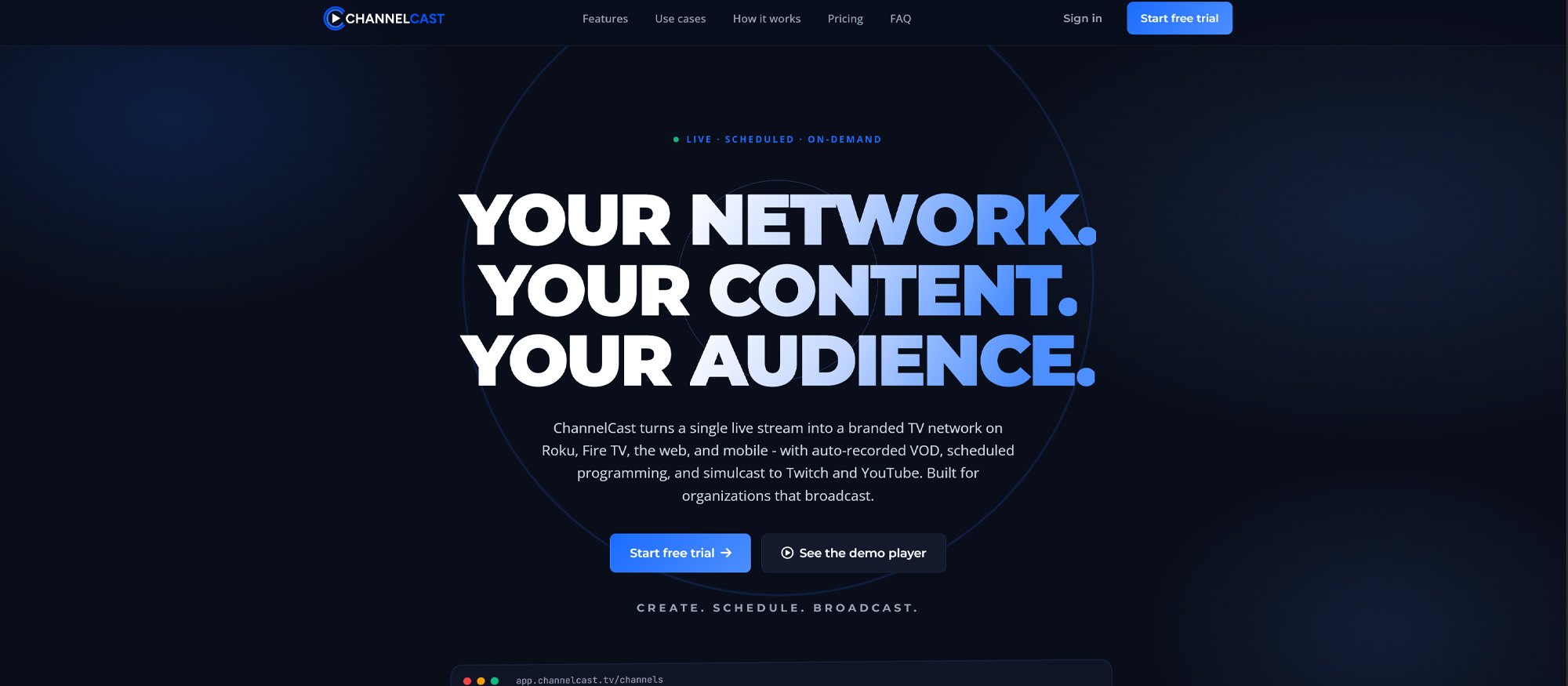
Our in‑house platform — built, operated, and continuously developed for broadcasters who need real infrastructure. Media library, scheduling, and playlist programming for channels that never stop. I build the tooling that drives the loop: rotation logic, artist spacing, catalog automation — work that used to take a programming department now runs on code.
BlackMarker.TV runs on it too. Every limit a customer hits, we hit first — on our own air. That’s the difference between shipping a product and operating one.
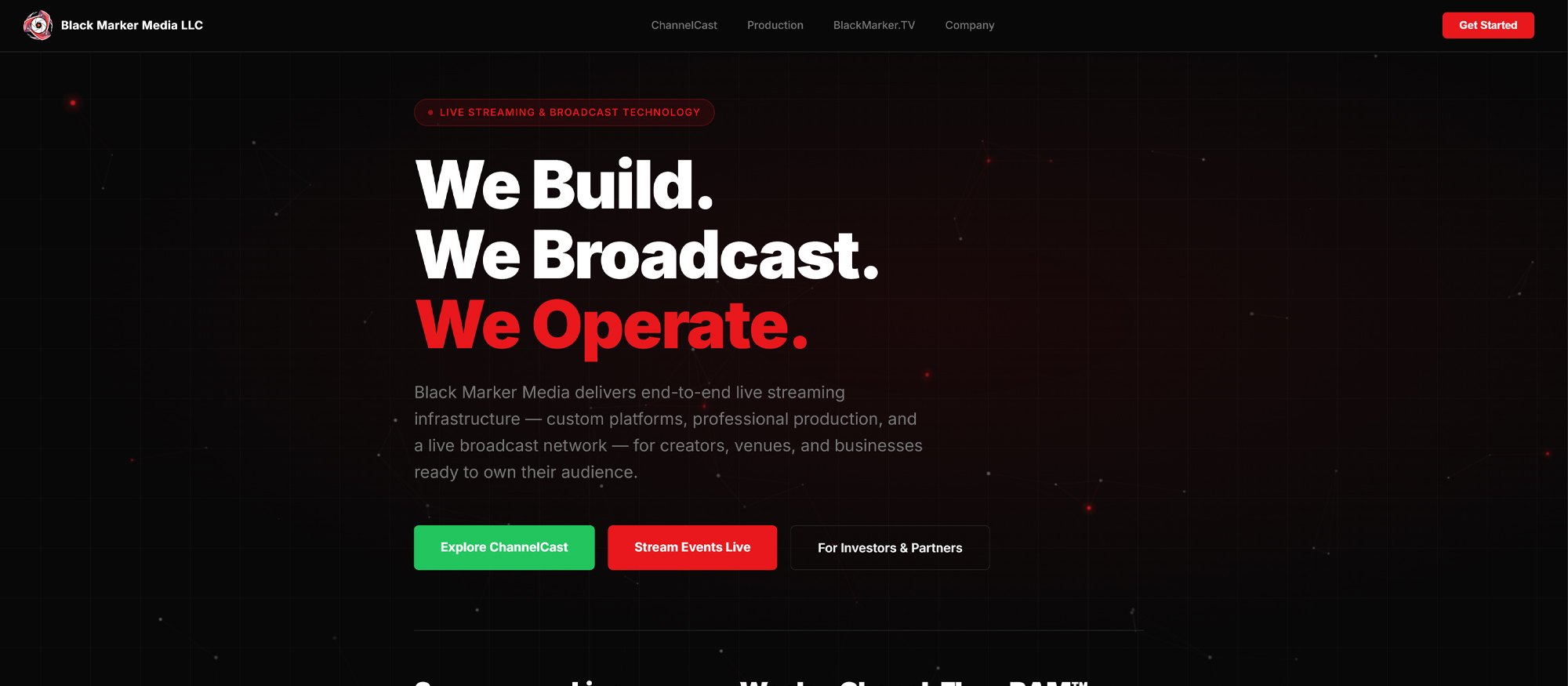
Three layers operate at once: we build the platforms, produce the live events, and run our own network as proof the model works. Most companies do one of those and outsource the rest — we architect, execute, and operate all three under one roof.
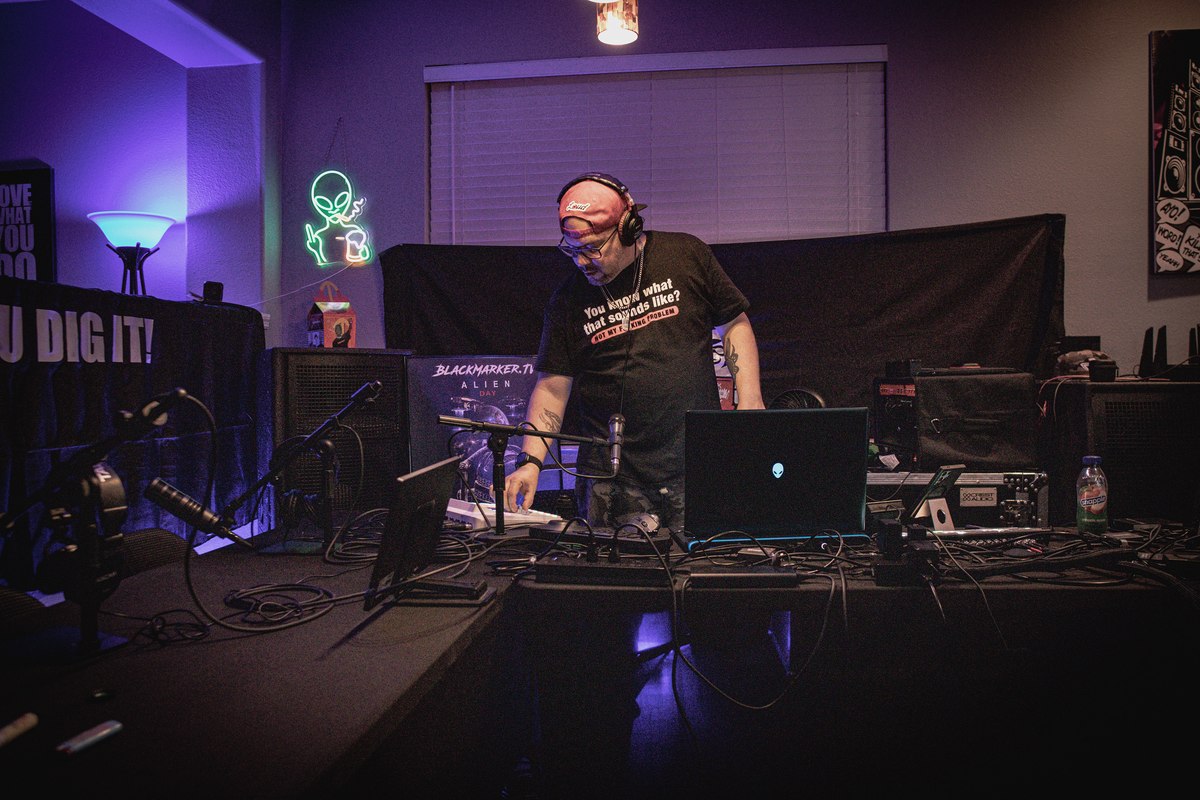
blackmarkermedia.com →Current work outside the network: full‑stack live show builds — studio design, camera and audio systems, switching and streaming infrastructure, plus the site and monetization behind it. Recent builds include multi‑zone studios for live call‑in shows running vMix with NDI‑connected PTZ cameras and no hardware switcher in the chain.
Alongside that: standing up production capacity with operators in new markets — people who own their ground and their gear, running to a shared standard instead of waiting on a crew to fly in.
Discuss a build →This isn’t a forecast — it’s the direction the work already points toward, and what I’m building toward on purpose.
The line between making the content and running the system that delivers it is gone. The people who define the next decade of media won’t hand off the technical half — they’ll own it the same way they own the creative half. Everything I build assumes that operator is on the other end.
Distribution is free. Cameras are cheap. What separates a real operation from a hobby is infrastructure — scheduling, automation, catalog management, the machinery that lets one operator do what used to require a facility and a staff. That gap is the opportunity, and it’s where I build.
Any creator business built on someone else’s platform has a ceiling someone else controls — terms shift, algorithms change, and the audience was never yours. I build so the operator owns the platform, the catalog, and the viewer relationship outright. Not ideology — it’s the only version that compounds.
Anything worth building gets documented, systematized, and handed off. If an operation needs me in the room to keep running, I built it wrong. The goal is to leave behind systems other people run — including people who will run them better than I did.
The next media landscape isn’t one company with a bigger studio. It’s operators in every market running to a shared standard, pooling infrastructure instead of competing for the same crew. I’m building that capacity city by city, with partners who own their own ground.
Not a bigger invoice. Four working rules that decide how anything I touch gets built.
If a task happens more than twice, it gets automated. Manual grind is the ceiling every independent operation hits — and the one enterprises engineered their way out of decades ago. I build the tooling first, so the output holds on the hundredth run and not just the first.
Platform, catalog, audience relationship. If any of the three belongs to someone else, the business has a ceiling it doesn’t control. Everything gets designed so the operator holds all three.
Multi-camera, clean audio, redundant connectivity, real switching discipline. The audience should never be able to tell how small the crew was — that is the entire point of doing it right.
I don’t hand off a system and disappear. I operate what I build, on my own network, every week. Anything I recommend to a client is something I’m already living with the consequences of.
Context, not the pitch. Three acts in order — enterprise systems first, then independent execution, then infrastructure — and the reason none of the work above is theory.
My foundation started years before Triad — building and operating systems with Gomez Innovations and 3nity, Inc., work that has continued from 2004 to today. After a few years inside an Inc. 500 digital media company, I led the 2008 automation initiative that moved campaign delivery off manual labor and onto systems — the backbone behind enterprise programs for Walmart.com and CVS.com.
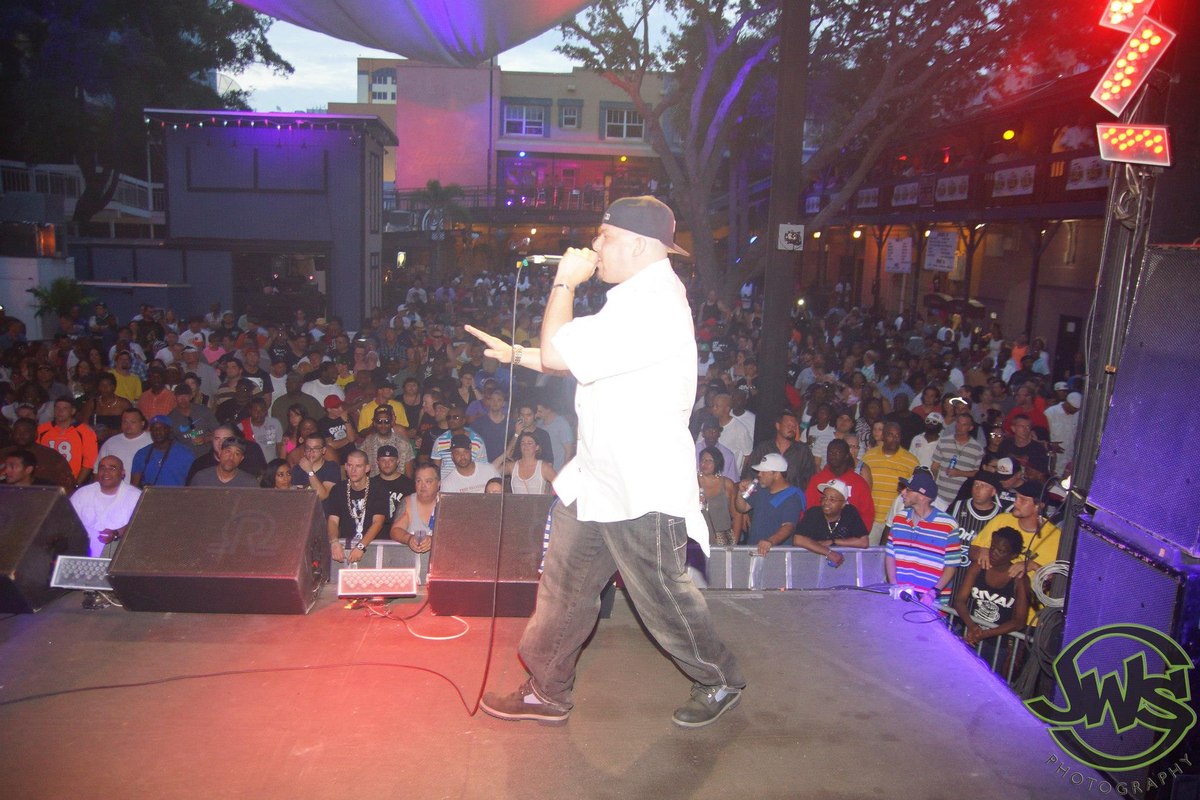
Then I took that playbook independent — touring, recording, running a label, and becoming one of the founding members of Loud on 7th, an annual music festival. Most artists learn the business the hard way. I went in already knowing how a real operation was run, and put my own catalog, releases, and touring on that footing.
In 2020 I pointed the whole operation at infrastructure: BlackMarker.TV and ChannelCast. Same discipline, aimed at a network and the platform underneath it — built, sold, and operated by the same hands, including long‑time collaboration with Jose Gomez and the engineering foundation we’ve built together for years.
The distance between an independent operation and an enterprise one isn’t budget or talent. It’s infrastructure. Closing that gap — for my own network, and for whoever is building the next one — is the whole job.
Alone or with my teams, depending on what the job actually needs.
Sites, streaming platforms, CMS builds, and the automation that drives them.
Encoding, switching, multi‑platform distribution, and on‑site broadcast operations.
Engineering, mixing, FOH and stage capture, and full broadcast audio chains.
Multi‑camera shoots, studio builds, post workflows, and content pipelines.
Panels, keynotes, and industry talks on media, automation, and ownership.
Hands‑on sessions teaching teams to run their own broadcast operation.
Show formats, brand systems, and content concepts built to be produced.
Monetization models, operating process, and infrastructure strategy.
A partial list — the properties I have built or operated across network, platform, and artist work.
I talk about what I’m building and how it’s put together — for creators, engineers, and the people who are about to become both.
Productions, platform builds, speaking, or consulting — tell me what you’re trying to put on air, and I’ll tell you straight whether I’m the right person for it.
Booking, project, speaking, or consulting — whatever it is, starts here.